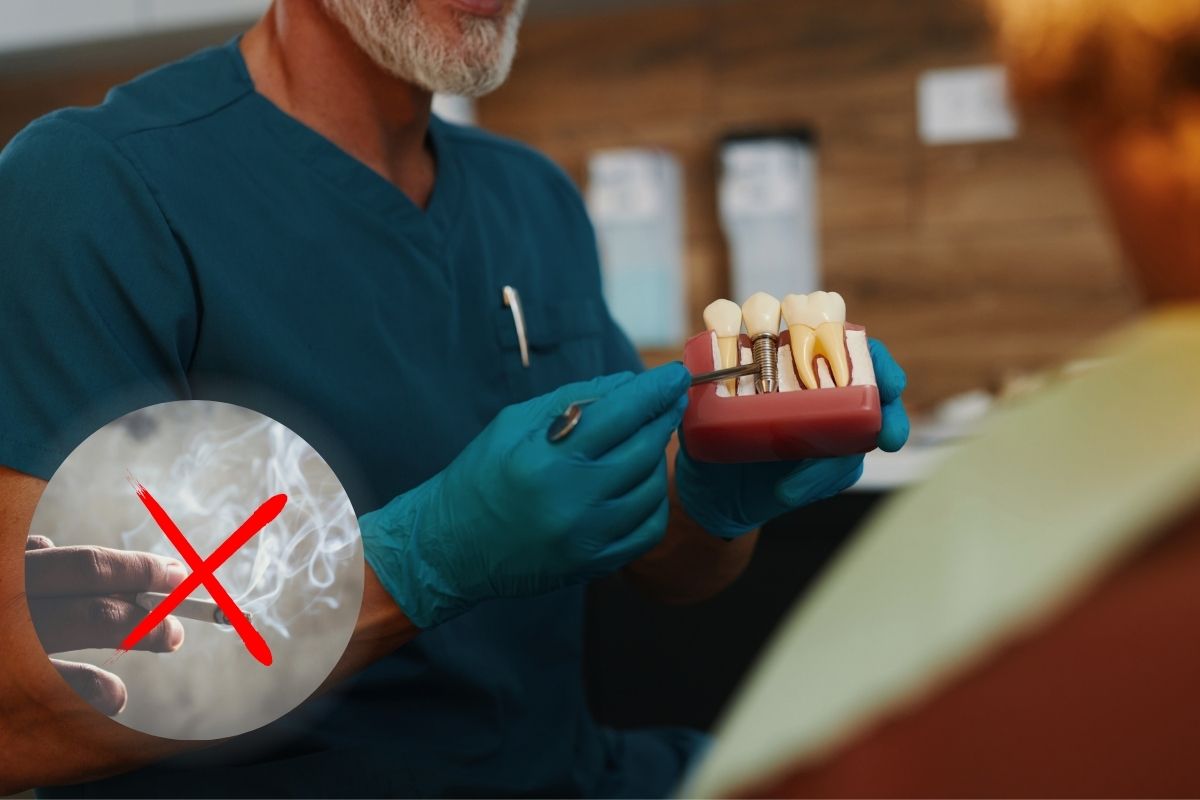

Are you wondering when you can dig into your favorite foods after getting dental implants? It’s a common question many people have after undergoing this transformative dental procedure. While the anticipation of eating your regular meals is understandable, it’s crucial to follow a proper timeline to ensure your implants heal correctly. Eating the wrong foods too soon can lead to discomfort, delayed healing, and even complications with the implant itself.
In this blog, we’ll walk you through what to expect after dental implant surgery, how long you need to wait before resuming your regular diet, and why it’s so important to follow the post-surgery eating plan. This guidance will help ensure that your implants, provided by the trusted team at American Dental Center in Miami Gardens, have the best chance for success.
What to Expect After Getting Dental Implants
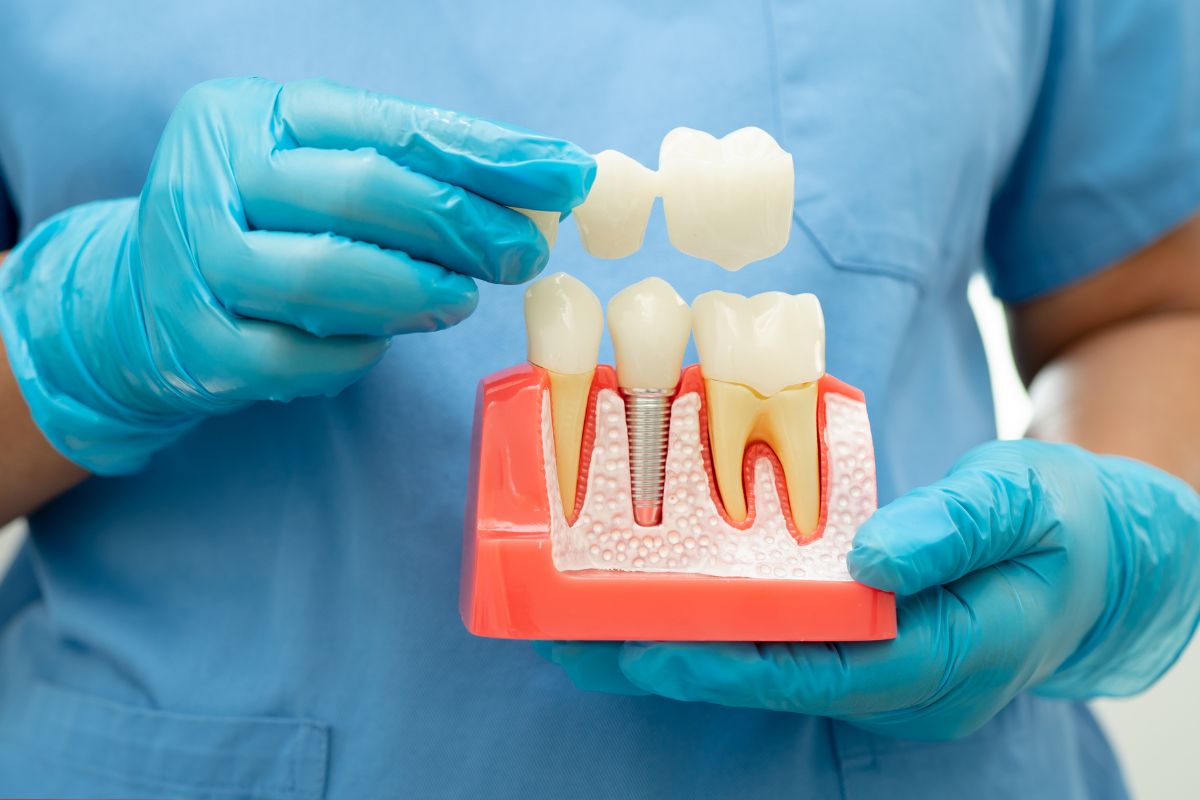
Dental implants are a popular and effective solution for missing teeth, but the procedure requires some time for healing. The process starts with a titanium post being surgically inserted into the jawbone, which will serve as a replacement for the tooth root. Over time, the bone will fuse with the implant in a process called osseointegration, which can take several months.
While implants are a durable and long-lasting solution, the healing process can be delicate. During the initial phase of recovery, the surgical site is vulnerable. Eating certain foods immediately after surgery can disrupt the healing process, cause irritation, or even damage the implant. That’s why adhering to a post-operative eating plan is essential for ensuring your new smile stays intact.
Following the right eating plan isn’t just about avoiding discomfort. It’s about ensuring the best possible outcome for your dental implants in Miami Gardens. For optimal healing, it’s crucial to avoid certain foods that may irritate the surgical area or cause undue pressure on the implants. These guidelines help speed up the healing process, reducing the risk of complications such as infections or implant failure.
Adhering to your dentist’s post-surgery instructions will give your implants the time and protection they need to bond properly with your jawbone.
Immediate Post-Surgery Care: What to Do and What to Avoid
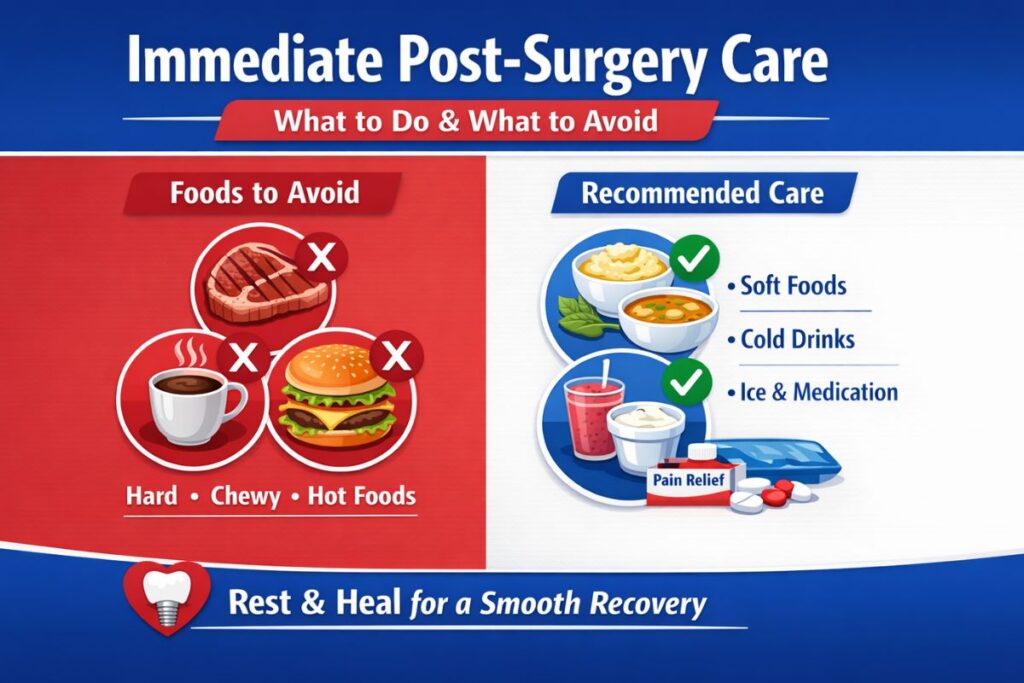
After dental implant surgery, the first 24-48 hours are critical for a smooth recovery. During this time, it’s important to avoid eating anything that could irritate the surgical site or put unnecessary pressure on your implants.
Foods to Avoid Right After Surgery
Immediately after your surgery, stick to a liquid or soft food diet. This means you should avoid hard, chewy, or hot foods.
Hot foods can increase swelling and may cause discomfort, while hard foods can put pressure on your implants and surrounding gums, potentially dislodging them or causing damage. Foods that require excessive chewing, such as raw vegetables, nuts, or steak, should be completely avoided during the first few days of recovery.
Recommended Care
During this period, focus on consuming soft foods like mashed potatoes, applesauce, and soup. These are easy to swallow and require minimal chewing.
Cold liquids like smoothies or chilled yogurt can also be soothing, helping to reduce any swelling. It’s important to avoid using straws, as the suction can disrupt the healing process.
Swelling and Discomfort
Some swelling and discomfort around the surgical site are expected, and this may make eating difficult. To manage this, ice packs can be applied to the outside of the face in 20-minute intervals to reduce swelling.
If necessary, your dentist will recommend over-the-counter pain relief medications or prescribed painkillers to help manage any discomfort.
The key to a smooth recovery is patience and following your dentist’s guidelines, so take your time and allow your implants the care they need.
When Can You Eat Normal Foods After Dental Implants?
While the thought of eating your favorite meals may be tempting, it’s essential to ease back into your regular diet gradually. After the initial 24-48 hours, you can start incorporating soft foods into your diet, but it’s important to proceed with caution.
Here’s a breakdown of the recommended timeline for eating after dental implants:
Soft Food Diet
For the first few days following your surgery, stick to soft foods that are easy to chew and won’t irritate the surgical site. Mashed potatoes, scrambled eggs, smoothies, yogurt, and soups are great options. These foods are gentle on your healing implants and gums, providing nourishment without risking damage.
Gradual Introduction of Regular Foods
After about a week, you can start incorporating more solid foods into your diet. However, it’s important to go slowly. Start with foods that require minimal chewing, like pasta, tender fish, or soft chicken. Avoid crunchy or chewy items like apples or raw vegetables until your dentist gives you the green light.
Avoiding Hard or Sticky Foods
For at least 6-8 weeks after your procedure, avoid foods that can cause damage or put too much pressure on your implants. These include sticky foods (like caramel or gum) and hard foods (like nuts, popcorn, or crusty bread). These types of foods can affect the healing process, increase discomfort, and may even cause the implant to shift.
Be sure to check in with your dentist for follow-up visits, as they can provide more personalized advice on when it’s safe to return to your regular eating habits.
Tips for Managing Your Diet During Recovery
During the recovery period, managing your diet is essential to ensure your dental implants in Miami Gardens heal properly. Here are some practical tips to help you get through the process:
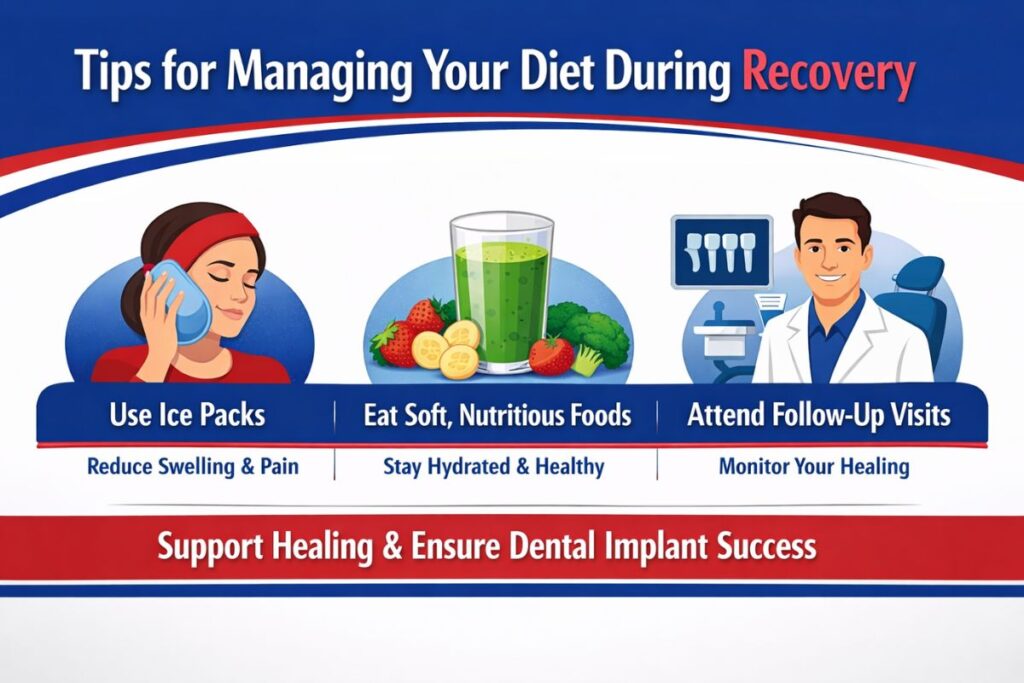
Use of Ice Packs
Ice packs can be your best friend after surgery. Apply them in 20-minute intervals to help reduce swelling and discomfort, especially when you’re eating.
Stay Hydrated and Choose Nutrient-Rich Soft Foods
Drinking plenty of water helps keep you hydrated and aids in the healing process. Opt for nutrient-dense soft foods like smoothies packed with fruits and vegetables to promote healing and give your body the nutrients it needs.
Regular Follow-ups with Your Dentist
Make sure to attend all scheduled follow-up visits with your dentist. These check-ups allow your dentist to monitor the healing process, ensure the implants are integrating properly, and address any questions or concerns you might have about your diet during recovery.
By carefully managing your diet and following your dentist’s instructions, you can significantly improve the healing process and increase the likelihood of your implants being successful long-term.
Why Following the Right Eating Plan Is Crucial for Your Implants’ Success
Your diet plays a vital role in the success of your implants. Proper eating habits directly affect the healing process and the integration of the implant into your jawbone.
The Impact of Your Diet on Implant Integration
Dental implants rely on osseointegration, the process by which your jawbone fuses with the implant. If you eat hard or abrasive foods too soon, this can interfere with the implant’s ability to bond properly with the bone. By sticking to soft, easy-to-chew foods, you give the implant the best chance to integrate and heal effectively.
Preventing Complications
Proper post-surgery care, including a carefully chosen diet, helps to prevent common complications such as infection, inflammation, or implant failure. Eating foods that are too hard or sticky can put unnecessary stress on your implants, causing them to shift or even break. By being mindful of your diet, you reduce the risk of such issues and help ensure the long-term success of your implants.
The road to enjoying your new smile with dental implants is one of patience and careful planning. Following the recommended timeline for when to eat certain foods after surgery is essential to ensure your implants heal properly and are fully integrated into your jawbone.
At American Dental Center in Miami Gardens, we’re committed to helping you achieve a beautiful, functional smile. If you have any questions or concerns about your recovery, don’t hesitate to reach out to us for personalized guidance. We’re here to support you every step of the way!
What People Ask
1. When can I eat solid foods after dental implants?
Gradually introduce soft foods after a few days, and solid foods can be resumed after about a week, based on your healing progress.
2. What foods should I avoid after dental implants?
Avoid hard, crunchy, and sticky foods like nuts, caramel, and raw vegetables for at least 6-8 weeks after surgery.
3. Can I drink coffee after getting dental implants?
Yes, but ensure it’s not too hot and avoid using a straw to prevent dislodging the implant.
4. How long should I wait before eating normal foods?
It typically takes around 6-8 weeks to return to your normal diet, depending on your recovery and the implant’s integration.
5. Can I chew gum after dental implant surgery?
It’s best to avoid chewing gum or anything sticky for at least 6-8 weeks to protect the healing implant site.