
Choosing between Invisalign and traditional braces is one of the most common questions adults ask. If you live in Scott Lake and want a straighter smile, this comparison is for you. When weighing Invisalign vs. braces for adults in Scott Lake, there is no single right answer. The best choice depends on your lifestyle, budget, and the complexity of your case.
At American Dental Center, Dr. Ari Forman helps adult patients navigate this decision every day. Both options can deliver outstanding results. But they work differently, feel differently, and suit different types of people. Understanding those differences is the first step toward making a confident choice.
Comfort and Convenience: Invisalign vs. Braces for Scott Lake Adults
Comfort is often the first concern adults raise. Traditional metal braces use brackets and wires attached directly to your teeth. They can cause soreness, especially after adjustments. Wires occasionally poke soft tissue and require wax for relief.
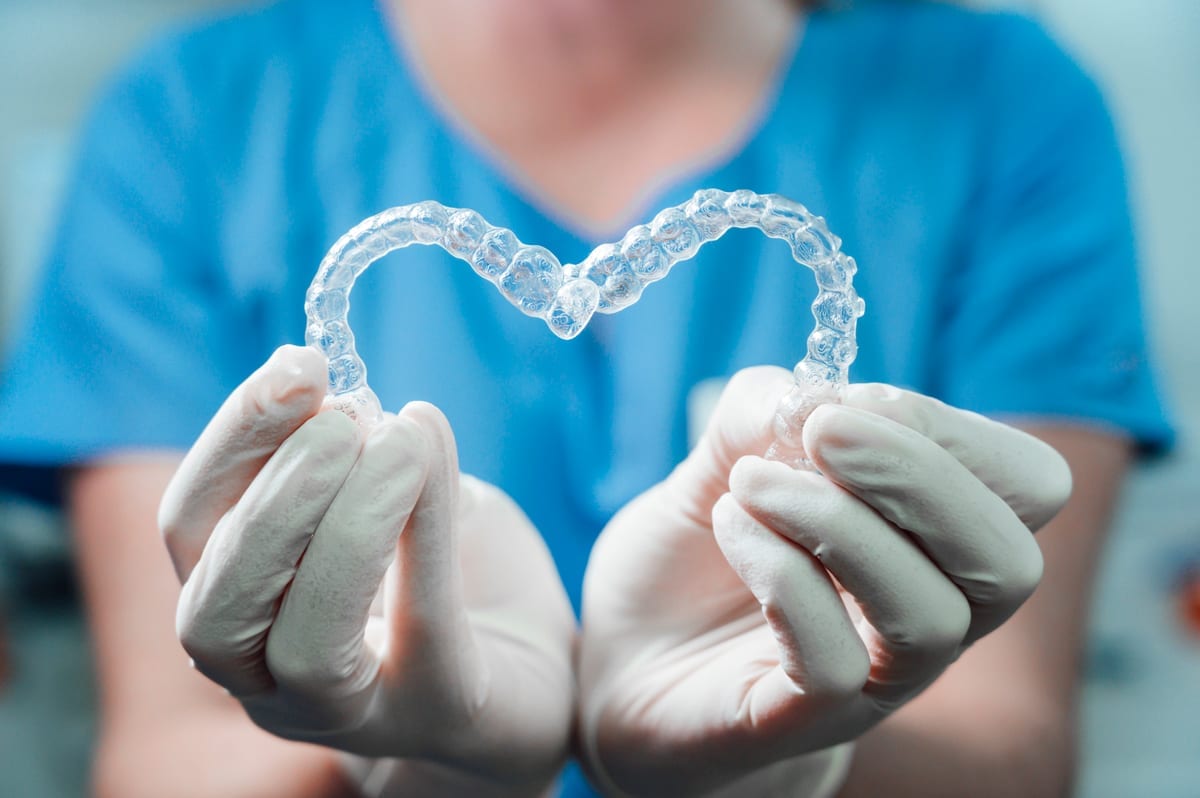
Invisalign uses a series of clear, smooth plastic aligners. Most adults find them significantly more comfortable. There are no sharp edges or brackets rubbing against your cheeks and gums.
Convenience also differs in a major way. Invisalign aligners are removable. You can take them out to eat, drink, brush, and floss. Braces are fixed in place, which makes oral hygiene more challenging. Food restrictions apply — no hard, sticky, or crunchy foods with braces.
- Invisalign: Removable, smooth plastic, no food restrictions
- Traditional braces: Fixed, metal brackets, requires dietary changes
- Braces: May cause mouth sores and require more adjustment visits
- Invisalign: Requires discipline to wear 20–22 hours per day
Visibility and Aesthetics: A Key Factor for Adults in Scott Lake
Most adults considering orthodontic treatment are self-conscious about appearance. This is one area where Invisalign wins clearly. The clear aligners are nearly invisible in daily life. Most people will not notice you are wearing them at all.
Traditional metal braces are highly visible. Even ceramic or tooth-colored braces are more noticeable than Invisalign. For professionals, parents, or anyone who interacts with the public, this matters enormously.
Lingual braces are another option — they attach behind the teeth. However, they are significantly more expensive and can affect speech more than Invisalign. For most Scott Lake adults prioritizing aesthetics, Invisalign remains the leading choice.
Treatment Scope: What Each Option Can Actually Fix
Aesthetics and comfort are important, but effectiveness is what really counts. Traditional braces have decades of proven history. They can correct complex cases, including severe crowding, significant bite problems, and major jaw misalignment.
Invisalign technology has advanced dramatically in recent years. It now treats a wide range of cases effectively. Mild to moderate crowding, spacing issues, overbites, underbites, and crossbites all respond well to Invisalign treatment.
However, very severe malocclusions may still require traditional braces. Dr. Ari Forman will evaluate your bite, jaw position, and tooth alignment before recommending a path forward. Some patients who visit Restorative Dentistry Scott Lake for other concerns are surprised to learn they are good candidates for Invisalign.
- Severe crowding or jaw issues: Traditional braces often preferred
- Mild to moderate alignment issues: Invisalign works excellently
- Spacing and gap correction: Both options effective
- Bite correction (overbite, underbite): Both can work — case-dependent
- Rotations and tooth movement: Braces sometimes offer more control
Cost and Treatment Timeline: What to Expect
Cost is a practical concern that every adult must consider. In general, traditional braces tend to be more affordable upfront. Invisalign treatment typically costs more, though pricing varies based on case complexity.
Treatment timelines also differ. Traditional braces usually take 18 to 36 months for adult cases. Invisalign treatment for adults often ranges from 12 to 18 months for moderate cases. Simpler cases may finish faster with either method.
One hidden cost of Invisalign is compliance. If you do not wear your aligners consistently, treatment takes longer and costs more. Braces work continuously because they are always in place. Discipline is essential for Invisalign success.
American Dental Center offers flexible payment plans to make both options accessible. Speak with our team to understand exact pricing for your specific case in Scott Lake.
Compliance and Lifestyle: Which Option Fits Your Routine?
Compliance is a word that comes up a lot with Invisalign. You must wear the aligners 20 to 22 hours daily. That means putting them back in after every meal and snack. Forgetting or skipping wears delays your treatment.
For highly disciplined adults, this is not an issue. For people with busy schedules or frequent dining out, it can be a challenge. Braces require no compliance decisions — they simply work around the clock.
Your daily routine matters too. Athletes who wear mouthguards may prefer Invisalign because guards can fit over aligners. Musicians who play wind instruments often prefer Invisalign for the flexibility it provides.
Seeing before-and-after examples from real patients can also help with your decision. Browse the Smile Gallery Scott Lake to see the kinds of results Dr. Forman and the American Dental Center team have achieved for adults like you.
Making Your Decision at American Dental Center in Scott Lake
There is no universal winner in the Invisalign vs. braces debate for adults. Both treatments are proven, effective, and capable of delivering a beautiful smile. The right choice comes down to your specific dental needs, lifestyle, and personal priorities.
Dr. Ari Forman takes a thorough, patient-centered approach at American Dental Center. He will review your full dental and bite profile before making any recommendation. You will never feel pressured — just well-informed.
If aesthetics, comfort, and flexibility matter most to you, Invisalign is likely the stronger fit. If your case is complex or you prefer a low-maintenance approach, braces may serve you better. Either way, you are taking a positive step toward a healthier, more confident smile.
Adults in Scott Lake deserve clear, honest guidance — not a one-size-fits-all answer. Schedule your consultation today and get personalized advice tailored to your smile goals. Book Now to schedule your appointment with our team.
Frequently Asked Questions
Is Invisalign really as effective as braces for adults?
Yes, for mild to moderate alignment issues, Invisalign is equally effective as traditional braces. Modern aligner technology has improved significantly. For complex cases, braces may still offer more precise control. Dr. Ari Forman will determine which option suits your specific needs after a thorough evaluation.
How long does Invisalign treatment take for adults in Scott Lake?
Treatment time varies depending on the complexity of your case. Most adults complete Invisalign treatment in 12 to 18 months. Some simpler cases finish in as few as 6 to 9 months. Traditional braces typically take longer, averaging 18 to 36 months for adult patients.
Can I switch from braces to Invisalign mid-treatment?
In some cases, yes — but it depends on how far along treatment is and what your orthodontic goals are. Switching mid-treatment is not always possible or advisable. It is best to discuss your options with Dr. Forman before starting treatment to choose the right approach from the beginning.
Do Invisalign aligners affect speech?
Most adults notice a slight lisp during the first few days of wearing aligners. This typically resolves within one to two weeks as your tongue adjusts. Traditional braces can also affect speech initially, though usually to a lesser degree. The adjustment period is short for most patients.
What happens after Invisalign or braces treatment is complete?
After completing either treatment, you will need to wear a retainer. Retainers prevent your teeth from shifting back to their original positions. This applies to both Invisalign and traditional braces patients. Dr. Forman will provide a custom retainer and guidance on how long to wear it each day.