
Understanding why your root canal needs a crown to actually survive in Miami Gardens is more important than most patients realize. Many people complete their root canal and feel relief — then delay or skip the crown entirely. That decision can undo everything the procedure accomplished. At American Dental Center, Dr. Ari Forman helps patients understand every step of post-root canal care so their results truly last.
What Happens to a Tooth After a Root Canal?
A root canal removes infected pulp tissue from inside the tooth. The canals are cleaned, shaped, and sealed with a filling material. This process saves the tooth — but it also changes the tooth’s structure significantly. The tooth becomes more brittle and vulnerable once its internal tissue is gone.
Without living pulp, the tooth no longer receives moisture or nutrients from the root. Over time, it dries out and becomes fragile. Everyday chewing forces can cause a structurally weakened tooth to crack or fracture. That kind of damage is often irreversible and may require extraction.
Most root canal-treated teeth also have a large cavity or access hole from the procedure itself. That opening weakens the remaining tooth walls further. A temporary filling holds things together short-term, but it is not a permanent solution. A dental crown provides the durable protection the tooth needs to function safely.
Why Skipping the Crown Is a Serious Risk in Miami Gardens
Skipping the crown after a root canal is one of the most common mistakes Dr. Ari Forman sees. Patients often feel fine after the root canal and assume the tooth is healed. In reality, the tooth is structurally at risk until a crown is placed. Feeling no pain does not mean the tooth is protected.
A tooth without a crown is exposed to significant daily stress. Biting into hard foods, grinding during sleep, or even normal chewing can split the tooth. A vertical fracture — a crack running down the root — usually cannot be repaired. That means losing a tooth that could have been saved with a simple crown.
- Uncrowned root canal teeth are far more likely to fracture
- Fractures below the gumline often require extraction
- Bacteria can re-enter the tooth through a worn temporary filling
- Reinfection may require a second root canal or tooth removal
- Delaying the crown increases overall treatment complexity and cost
The risk is especially real for back teeth like molars and premolars. These teeth absorb the most chewing force each day. Leaving them unprotected after a root canal significantly shortens their lifespan. Front teeth may have more flexibility, but a crown is still usually recommended.
What the Crown Appointment Actually Involves
Most patients are relieved to learn that the crown appointment is straightforward. It is far less intensive than the root canal itself. Dr. Ari Forman and the team at American Dental Center walk every patient through what to expect. There are no surprises — just a clear, comfortable process.
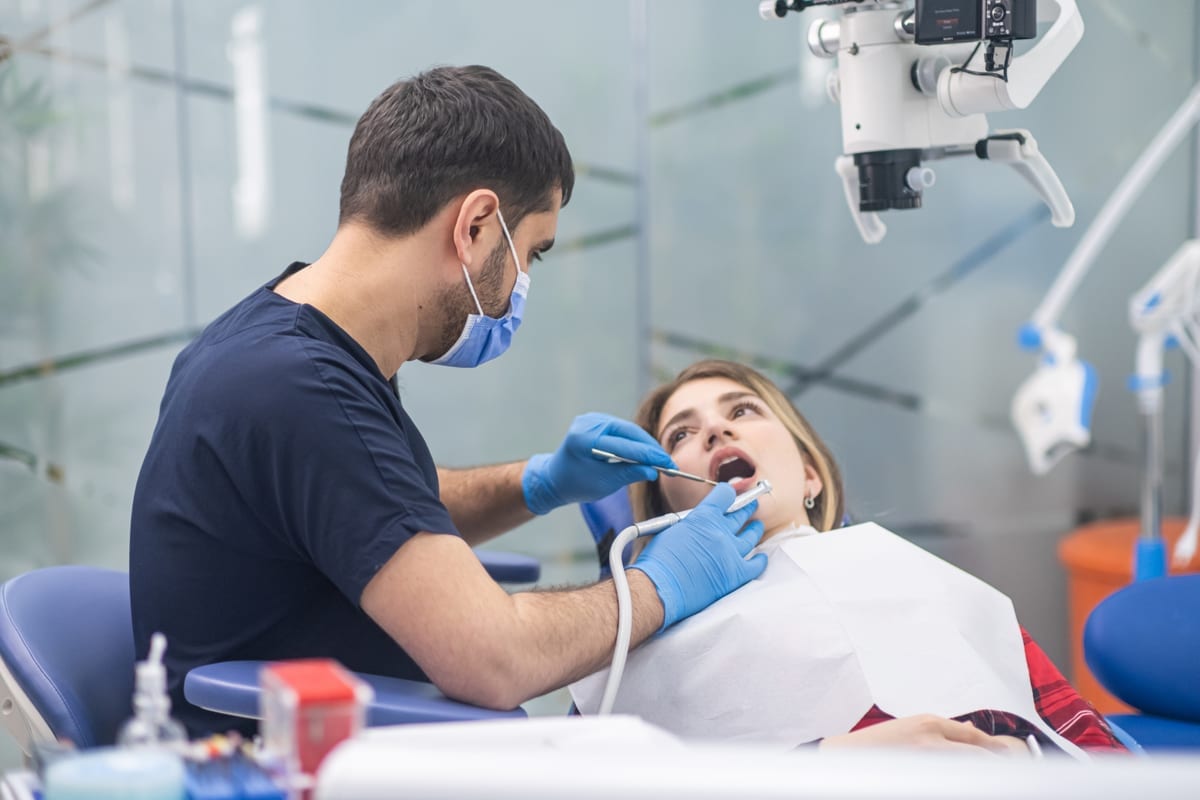
The first step is tooth preparation. Dr. Forman shapes the outer surface of the tooth to create room for the crown. An impression or digital scan is then taken of the prepared tooth. This gives the lab the precise measurements needed to fabricate a custom crown.
- The tooth is numbed with local anesthetic for comfort
- The tooth surface is gently shaped to fit the crown
- A digital scan or impression captures the tooth’s exact dimensions
- A temporary crown is placed while the permanent crown is made
- You return in one to two weeks to receive and bond your final crown
Same-day crowns are available at some practices using CAD/CAM technology. When a permanent crown is milled in-office, patients skip the temporary crown stage entirely. Either way, the procedure is typically completed in one or two appointments. Most patients experience minimal discomfort throughout the process.
The final crown is bonded permanently onto the prepared tooth. It fits over the entire visible portion of the tooth above the gumline. Once placed, it restores full chewing function and seals out bacteria. The treated tooth can now function reliably for many years with proper care.
Choosing the Right Crown Material for Your Tooth
Not all crowns are created equal, and the right material matters. Dr. Forman discusses options based on which tooth is being crowned and the patient’s bite. The location of the tooth plays a big role in material selection. Aesthetics and durability must both be considered.
Porcelain and zirconia crowns offer a natural, tooth-colored appearance. They blend seamlessly with surrounding teeth. These materials are ideal for front teeth and premolars where visibility matters. Modern zirconia is also strong enough for molar use in many patients.
- Porcelain-fused-to-metal (PFM): Strong with a natural look, widely used for back teeth
- Full zirconia: Extremely durable, great for high-pressure molar areas
- All-ceramic porcelain: Most aesthetic option, ideal for front teeth
- Gold alloy: Longest track record, very durable, less common due to appearance
Dr. Forman takes time to explain each option during the consultation. No single material is right for every patient or every tooth. The goal is always a crown that balances strength, comfort, and appearance. Patients leave the appointment with a clear understanding of their choice.
How Crown Placement Connects to Your Long-Term Dental Health
A crown after a root canal is not just about protecting one tooth. It is an investment in your overall oral health. Losing a tooth creates a chain of consequences — shifting teeth, bite changes, and bone loss. Preventing that outcome with a crown is always the better path.
Our team at American Dental Center offers comprehensive Restorative Dentistry Miami Gardens services designed to preserve your natural smile. We believe every tooth worth saving deserves a strong, lasting restoration. A crown after a root canal is one of the most impactful restorative decisions a patient can make. It protects your investment and keeps your smile functional for years.
Curious about real patient outcomes? Browse our Smile Gallery Miami Gardens to see the results our patients have achieved. Seeing actual cases helps patients understand what is possible. It also builds confidence in the care they will receive at our practice.
Good oral hygiene extends the life of any crown significantly. Brushing twice daily, flossing around the crown margin, and attending regular cleanings all matter. A crowned tooth can still develop gum disease if neglected. Dr. Forman provides personalized guidance to help every patient maintain their results.
Frequently Asked Questions
How soon after a root canal should I get a crown?
Most dentists recommend placing the crown within four to six weeks of completing the root canal. Waiting too long increases the risk of the temporary filling wearing down or the tooth cracking. Dr. Forman typically schedules the crown consultation before the root canal is even finished so there is no gap in care.
Does getting a crown hurt after a root canal?
The crown appointment is much more comfortable than the root canal itself. Local anesthetic is used during tooth preparation, so patients feel little to no discomfort. Some mild sensitivity is normal for a day or two after the appointment. Most patients manage this easily with over-the-counter pain relievers.
Can all teeth be crowned after a root canal?
Most teeth can receive a crown after a root canal, but it depends on how much healthy tooth structure remains. If the tooth has broken down significantly, a post may be placed first to give the crown something to anchor to. Dr. Forman evaluates each case individually and recommends the best approach for long-term success.
What happens if my crowned tooth breaks anyway?
A crown dramatically reduces the risk of fracture, but no restoration is completely fracture-proof. If a crowned tooth does crack, the outcome depends on where the fracture occurs. Cracks above the gumline may be repairable, while fractures extending into the root are more serious. Regular checkups help catch any issues early before they escalate.
Is a crown always necessary after a root canal?
In most cases, yes — especially for back teeth that bear heavy chewing loads. Front teeth with minimal structural damage occasionally receive only a filling instead. However, Dr. Forman evaluates each tooth carefully before making any recommendation. The priority is always protecting the tooth in the most effective, long-lasting way possible.
If you have recently had a root canal or need to schedule your crown placement, do not wait. Protecting your tooth now prevents far more complicated problems later. Our team at American Dental Center in Miami Gardens is ready to help. Book Now to schedule your appointment with our team.