
Understanding what successful Invisalign patients do differently with their aligners in Scott Lake can completely change your treatment experience. Invisalign works beautifully — but only when patients follow through consistently. Dr. Ari Forman at American Dental Center in Miami Gardens has guided many Scott Lake patients through this process. The habits you build early will determine how predictable and successful your results become.
Why Wear Time Discipline Defines Invisalign Success in Scott Lake
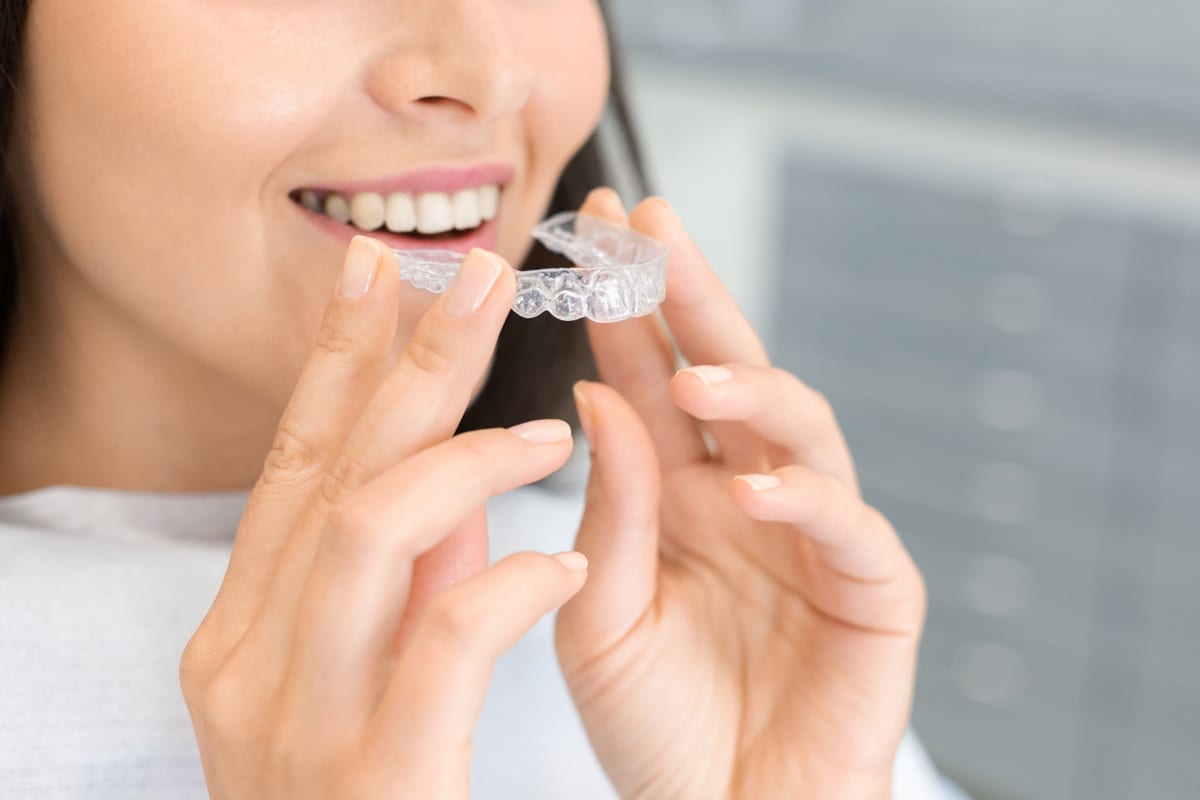
Every Invisalign provider will tell you the same thing: wear your aligners 20 to 22 hours per day. Successful patients treat this as a non-negotiable rule. They only remove aligners to eat, drink anything besides water, and brush their teeth. That disciplined mindset separates patients who finish on time from those who stall their own progress.
Skipping even a few hours each day adds up quickly over weeks. Your teeth respond to consistent, gentle pressure — not occasional pressure. When aligners sit on your nightstand instead of in your mouth, your teeth have time to drift slightly. That small drift can delay your next tray change and push back your finish date.
Scott Lake patients who succeed often set phone reminders to track their daily wear. Some use a simple tray-tracking app to log hours. Others keep a small case with them at all times so removing aligners in public feels natural. Building a routine around your aligners makes compliance feel effortless rather than burdensome.
Cleaning Routines That Successful Invisalign Patients Never Skip
Aligner hygiene is one of the most overlooked parts of Invisalign treatment. Successful patients clean their aligners every single morning and every night. They use a soft toothbrush and clear, unscented soap — never toothpaste, which is too abrasive. Clean aligners stay clear, fit better, and keep your mouth healthier throughout treatment.
Here are the key cleaning habits that high-compliance Invisalign patients follow consistently:
- Rinse aligners with lukewarm water every time you remove them
- Brush aligners gently with a soft toothbrush twice daily
- Soak aligners in Invisalign cleaning crystals or diluted retainer cleaner weekly
- Never use hot water — heat warps the plastic and ruins the fit
- Brush and floss teeth before reinserting aligners after every meal
Skipping cleaning allows bacteria and plaque to build up inside the tray. This creates an odor, clouds the plastic, and increases cavity risk. Patients who maintain clean aligners also tend to stay more motivated because their trays look and feel fresh. Good hygiene habits reinforce the commitment to the overall treatment plan.
How Successful Patients Handle Setbacks and Discomfort
Every Invisalign patient experiences some discomfort during treatment. Successful patients expect it and prepare for it. The first two days of each new tray typically bring the most pressure and soreness. That discomfort actually signals that the aligners are doing their job and moving your teeth.
Smart patients switch to a new tray at night before bed. This strategy allows them to sleep through the initial pressure period. By morning, the discomfort has usually reduced significantly. It is a simple trick that makes a real difference in day-to-day comfort levels.
Setbacks like losing a tray or accidentally chewing with aligners in happen occasionally. Successful patients act quickly instead of waiting and hoping. They contact Dr. Forman’s team right away to get guidance. Prompt communication prevents small problems from becoming major treatment delays.
Patients who handle setbacks well also understand that dental emergencies can arise during treatment. If you experience sudden pain, a broken tooth, or a dental injury while in Invisalign, Emergency Dentistry at American Dental Center is available to address urgent concerns quickly. Protecting your overall oral health always comes first.
Aligner Care Habits That Protect Your Investment
Invisalign aligners are precision-crafted medical devices. Treating them with care extends their effectiveness throughout each two-week wear cycle. Successful patients store aligners in a hard case every single time they remove them. A tray left on a napkin or table gets thrown away, stepped on, or damaged far too easily.
Here are the top aligner care practices that protect your treatment investment:
- Always use the hard case provided by your dentist when not wearing aligners
- Keep aligners away from pets — dogs especially are attracted to them
- Avoid wrapping aligners in napkins at restaurants
- Never leave aligners in a hot car — heat warps plastic permanently
- Keep a spare travel case in your bag, car, or desk at work
Some patients also benefit from using chewies — small foam cylinders that help seat aligners fully against teeth. Biting down on chewies for a few minutes after inserting each tray ensures the aligner tracks correctly. Proper seating maximizes tooth movement efficiency and prevents gaps between the tray and your teeth.
Root canal complications or underlying dental infections can sometimes surface during orthodontic treatment. If you experience persistent deep tooth pain during Invisalign, Root Canal Treatment may be necessary before continuing with your aligners. Dr. Forman evaluates each situation carefully to keep your treatment on track.
Staying Motivated Throughout Your Invisalign Journey in Scott Lake
Compliance fatigue is real. Many patients start strong but begin skipping hours as months pass. Successful patients find strategies to stay motivated over the long term. They track their progress with monthly photos and celebrate each tray milestone. Seeing visible movement in your smile is a powerful motivator.
Dr. Forman recommends keeping your end goal visible. Some patients place their initial consultation photos somewhere they can see them daily. Others write down exactly what they want their smile to look like at the end of treatment. A clear visual goal makes daily wear feel purposeful.
Connecting with your dental team regularly also helps. Do not wait only for scheduled checkup appointments to ask questions. Reach out when you feel uncertain about anything — a tray change, a tracking issue, or unusual soreness. Patients who communicate openly with their provider tend to have smoother, faster treatment timelines.
Ready to Start Your Invisalign Journey With Confidence?
Knowing what successful Invisalign patients do differently with their aligners in Scott Lake gives you a real advantage before you even begin. Wear time discipline, consistent cleaning habits, smart aligner care, and proactive communication all work together. Dr. Ari Forman and the team at American Dental Center are here to guide you every step of the way. Book Now to schedule your appointment with our team.
Frequently Asked Questions
How many hours per day should I wear my Invisalign aligners?
You should wear your aligners for 20 to 22 hours every day. Remove them only to eat, drink anything besides water, and clean your teeth. Consistent wear time is the single most important factor in achieving your results on schedule.
What happens if I lose one of my Invisalign trays?
Contact your dental provider as soon as you realize a tray is missing. Dr. Forman’s team will advise you on whether to wear your previous tray, move to the next one, or order a replacement. Acting quickly prevents unnecessary delays in your treatment timeline.
Can I drink coffee or tea with Invisalign aligners in?
You should remove your aligners before drinking anything other than plain water. Hot beverages can warp the plastic, and colored drinks like coffee or tea can stain your trays. Always remove, drink, rinse your mouth, and then reinsert your aligners.
How do I clean my Invisalign aligners properly?
Use a soft toothbrush and clear unscented soap to gently brush your aligners twice daily. Rinse them with lukewarm water every time you remove them. Avoid toothpaste, mouthwash with color, and hot water, as these can damage or discolor the plastic.
What should I do if my aligners feel like they are not fitting correctly?
If an aligner feels loose, has visible gaps, or does not seat fully against your teeth, contact your dentist right away. Use chewies to help seat the tray more firmly. Poor tracking can affect how well each tray moves your teeth, so early correction is important.