
Many patients in Scott Lake ask the same question before booking a consultation. Is your bite problem actually right for Invisalign in Scott Lake, or would another treatment work better? The answer depends on the type and severity of your alignment issue. Dr. Ari Forman at American Dental Center helps patients understand exactly what Invisalign can and cannot correct.
Invisalign has changed how millions of people straighten their teeth. Clear aligners are comfortable, discreet, and removable. But they are not the right solution for every bite problem. Knowing the difference could save you time and help you choose the most effective path forward.
What Bite Problems Can Invisalign Actually Fix in Scott Lake?
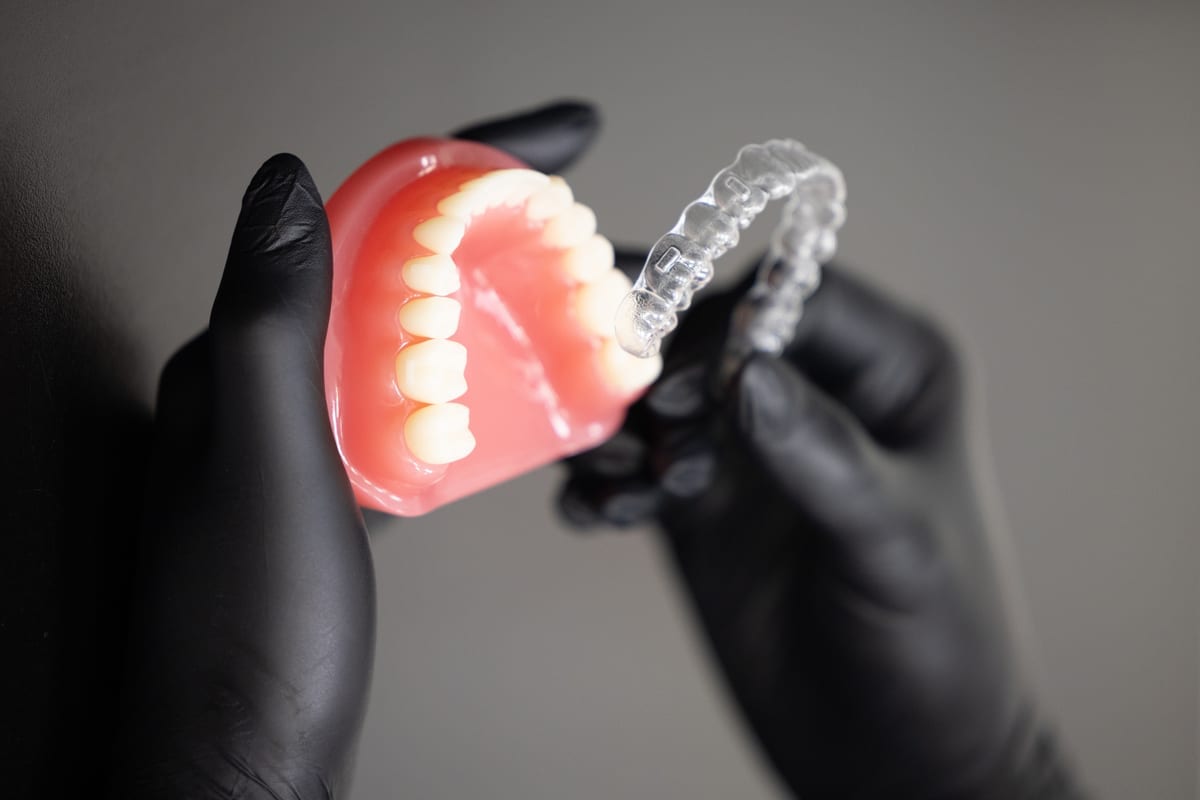
Invisalign works well for a wide range of mild to moderate alignment issues. It uses a series of custom-fitted clear trays to gradually shift teeth into position. Each set of trays applies gentle, targeted pressure. Over time, your smile transforms without brackets or wires.
Here are the most common bite problems Invisalign treats effectively:
- Mild to moderate crowding — teeth that overlap or sit too close together
- Spacing gaps — small to medium gaps between teeth that affect appearance and function
- Mild overbite — upper front teeth that slightly overlap the lower front teeth
- Mild underbite — lower teeth that sit slightly in front of upper teeth
- Crossbite — one or more upper teeth that bite inside the lower teeth
- Open bite — front teeth that do not meet when the mouth is closed
These conditions respond well to aligner therapy. Invisalign can move teeth both horizontally and vertically. It can also rotate certain teeth when needed. For many Scott Lake patients, these capabilities cover their full treatment needs.
When Invisalign May Not Be the Right Choice
Invisalign is a powerful tool, but it has real limitations. Some bite problems are too complex for clear aligners alone. Understanding those limits helps you avoid delays and wasted effort.
Traditional braces may work better in these situations:
- Severe crowding — teeth that are significantly overlapping or rotated beyond what aligners can move
- Large overbite or underbite — significant jaw misalignment that may need additional appliances or surgery
- Tooth shape issues — very short, round, or pegged teeth that aligners cannot grip effectively
- Complex tooth movements — cases requiring precise vertical shifts or large-scale rotations
- Previous dental work — certain bridges or implants may limit how aligners can work
Dr. Ari Forman performs a thorough evaluation before recommending any treatment. He reviews X-rays, takes digital impressions, and assesses your jaw alignment. This process ensures you receive the most appropriate care for your specific situation.
Crowding and Spacing: The Most Common Invisalign Cases
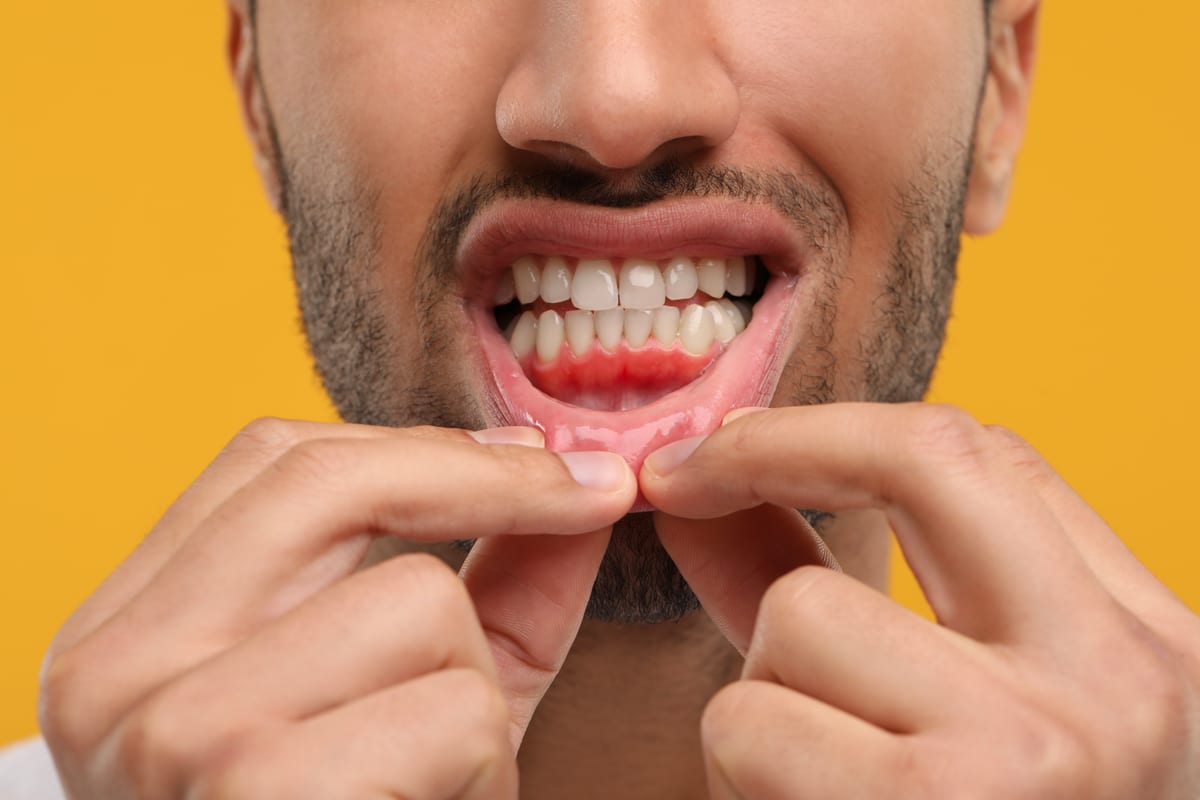
Crowding and spacing are the two most frequent reasons patients seek orthodontic care. Both conditions respond well to Invisalign when they fall within a moderate range. Crowding occurs when there is not enough space in the jaw for all teeth. Spacing happens when there is too much space between teeth.
Mild to moderate crowding is one of Invisalign’s greatest strengths. The aligners gradually create space and guide teeth into proper alignment. Severe crowding, however, may need tooth extraction or more powerful mechanical force. Your provider will measure the degree of crowding during your consultation.
Spacing gaps are often treated successfully with Invisalign. The aligners close gaps by moving teeth toward each other in controlled increments. Very large gaps may take longer or require additional cosmetic solutions. Dental Bonding is sometimes combined with aligners to refine the final appearance of closed spaces.
Understanding Overbite and Underbite Candidacy
Overbite and underbite are among the most misunderstood bite problems. Many patients assume they automatically need braces for these issues. That is not always true. The key factor is severity, not just the presence of the problem.
A mild overbite — where the upper teeth slightly overlap the lower — is commonly treated with Invisalign. The aligners can guide the lower teeth forward while holding the upper teeth in place. Mandibular advancement features built into some aligner systems help correct deeper overbites. However, a skeletal overbite rooted in jaw structure often requires more intervention.
Underbites follow a similar pattern. A mild functional underbite may respond to clear aligner therapy. A skeletal underbite — caused by a jaw that protrudes beyond normal — may require surgery or other orthodontic appliances. Dr. Ari Forman will identify the root cause of your underbite before recommending a treatment path.
What Happens During an Invisalign Consultation at American Dental Center
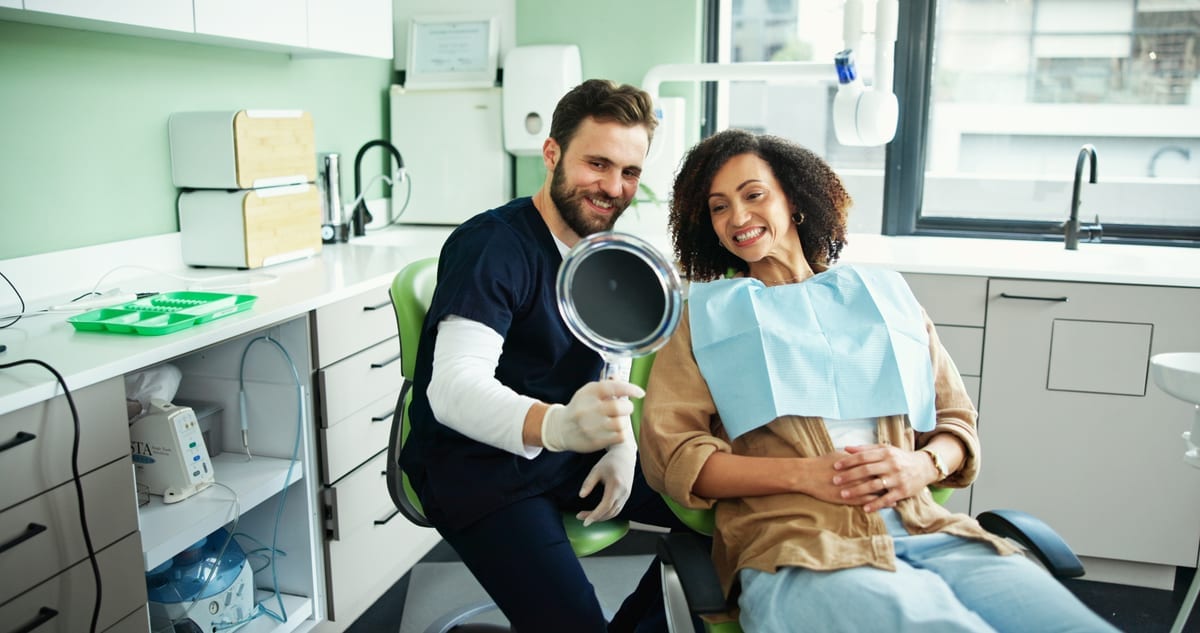
The consultation process is straightforward and informative. Dr. Forman begins with a full oral health exam. He checks for any underlying concerns that could affect treatment, such as gum disease or decay. Addressing these issues first ensures your orthodontic results are stable and long-lasting.
After the exam, digital scans create a 3D model of your teeth. This model shows exactly how your bite will shift throughout treatment. You can often preview your final smile before committing to a single tray. The technology makes the planning process transparent and precise.
Dr. Forman will explain candidacy honestly. If Invisalign is not the best fit for your bite, he will recommend alternatives. American Dental Center offers a full range of services to address complex cases and support your overall oral health.
Patients dealing with dental pain during their evaluation should know that Emergency Dentistry services are also available at our Miami Gardens office. We make sure urgent concerns are addressed before starting any elective treatment.
Combining Invisalign With Other Treatments for Better Results
Invisalign often works best as part of a broader treatment plan. Many patients combine aligners with cosmetic or restorative services to achieve a complete smile transformation. This approach is sometimes called a Smile Makeover. It addresses alignment, color, and shape in one coordinated plan.
Teeth whitening is one of the most popular add-ons after completing Invisalign. Straightened teeth catch more light and showcase whitening results more dramatically. Dental bonding can reshape chipped or uneven teeth after alignment is complete. These finishing touches make a major difference in the final outcome.
In some cases, patients have underlying issues like an infected tooth that need attention first. Conditions requiring Root Canal Treatment must be resolved before placing aligners. Treating these issues early protects your investment in orthodontic care.
Is Invisalign Right for You? Take the Next Step
The best way to find out if Invisalign suits your bite is to schedule a consultation with Dr. Ari Forman. Every smile is different. What works for one patient may not be appropriate for another. A personalized evaluation gives you the clearest, most honest answer.
Scott Lake patients trust American Dental Center for straightforward guidance and compassionate care. Whether your bite problem qualifies for Invisalign or requires a different approach, you will leave your appointment with a clear plan. Our team is committed to helping you make informed, confident decisions about your smile. Book Now to schedule your appointment with our team.
Frequently Asked Questions
Can Invisalign fix a severe overbite?
Invisalign can treat mild to moderate overbites effectively. Severe overbites caused by jaw structure may require additional orthodontic appliances or surgical intervention. Dr. Forman will assess the cause and severity of your overbite during a consultation to determine the best option.
How long does Invisalign treatment take for crowding?
Treatment time varies based on the severity of crowding. Mild crowding may resolve in as little as six to twelve months. More significant crowding can take eighteen months or longer. Your 3D treatment preview will give you a personalized timeline estimate.
What happens if my case is too complex for Invisalign?
Dr. Forman will recommend the most effective alternative, which may include traditional braces or a combination approach. The goal is always to achieve the best functional and cosmetic result for your specific bite. You will never be pushed toward a treatment that does not fit your needs.
Can adults use Invisalign for bite correction?
Yes, Invisalign is suitable for adults of all ages. Many Scott Lake patients begin treatment in their thirties, forties, and beyond. Adult candidates often see excellent results, especially for crowding, spacing, and mild bite issues. There is no upper age limit for Invisalign treatment.
Do I need a referral to see Dr. Forman for an Invisalign consultation?
No referral is needed. You can contact American Dental Center directly to schedule your Invisalign consultation with Dr. Ari Forman. New patients are welcome, and the evaluation process is thorough and easy to understand.