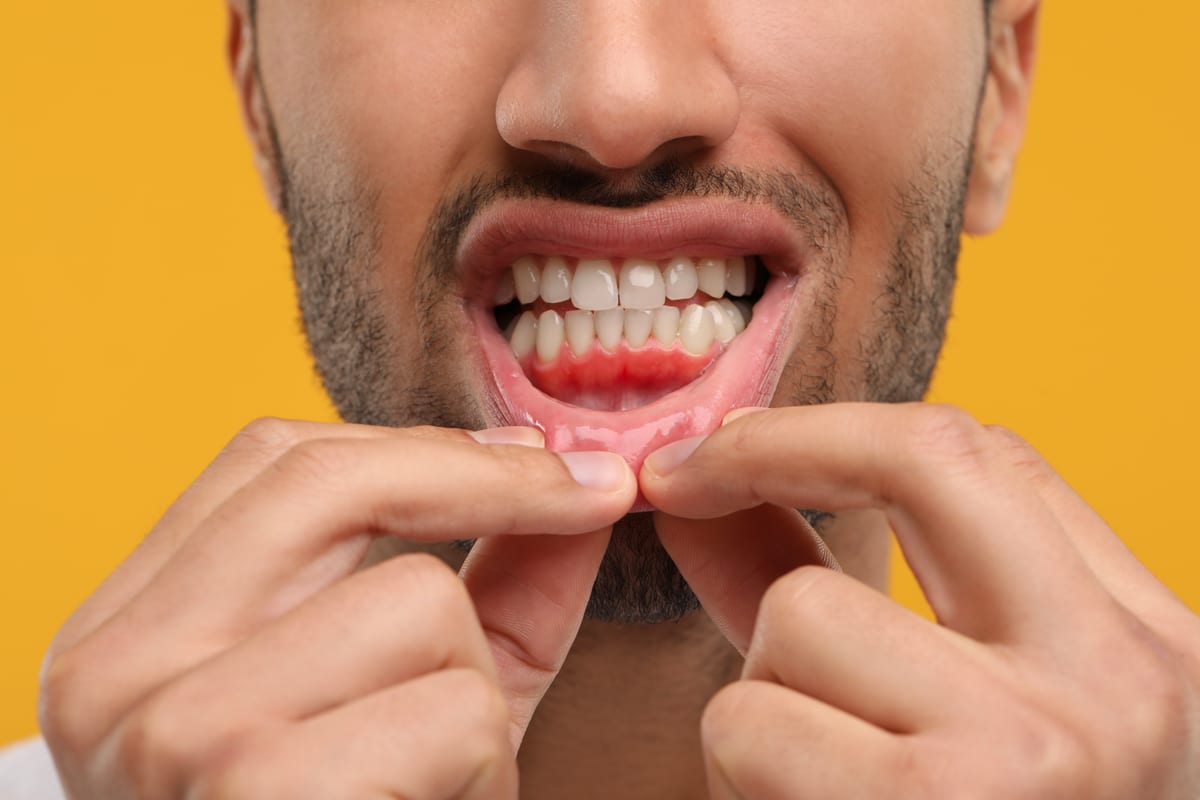

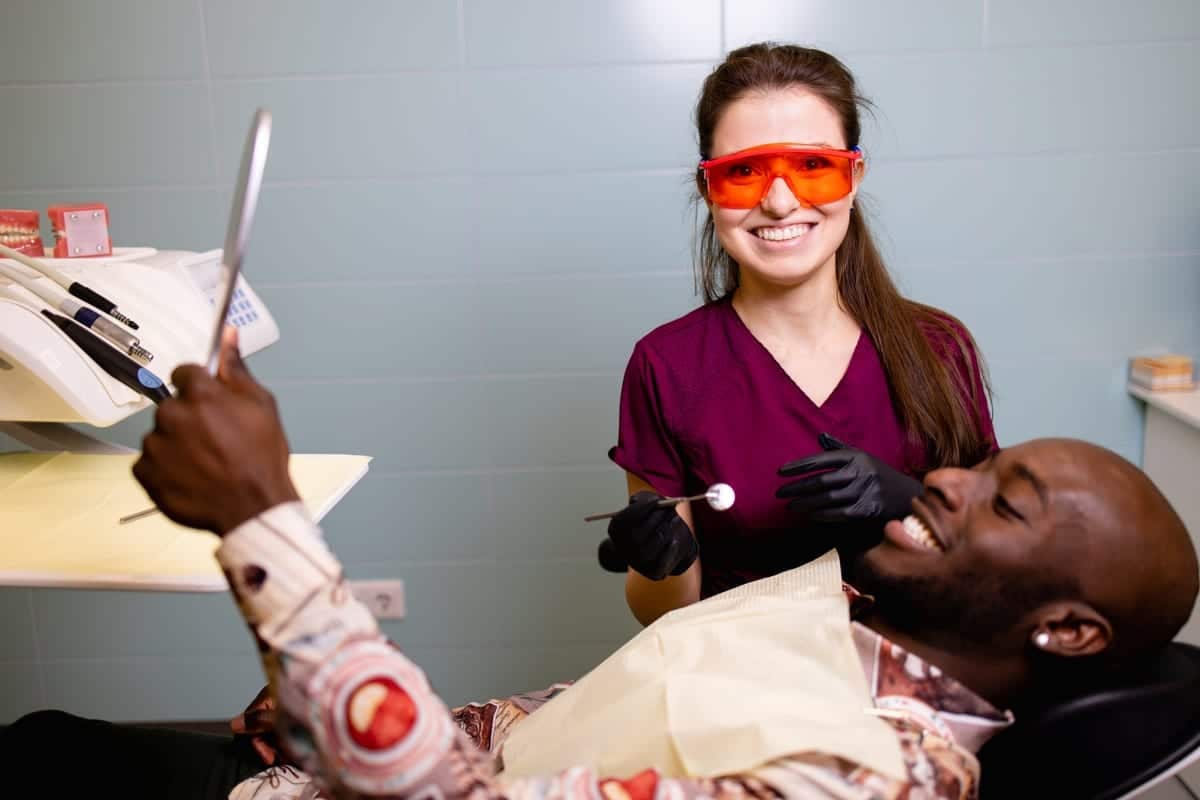
Many Bunche Park patients want a brighter smile but worry about one thing — sensitivity. Understanding teeth whitening and sensitivity is key to getting results you can actually enjoy. The good news is that sensitivity during and after whitening is manageable. Dr. Ari Forman at American Dental Center helps patients navigate this process every day.
You do not have to choose between a white smile and comfortable teeth. With the right approach, you can have both. This article breaks down why sensitivity happens and what you can actually control.
Why Teeth Whitening Causes Sensitivity in the First Place
Whitening products contain peroxide-based agents. These agents open tiny channels in your enamel called dentinal tubules. Those channels lead directly to the nerve inside your tooth. When exposed, the nerve becomes temporarily reactive to temperature and pressure.
This reaction is normal and usually short-lived. Most patients experience sensitivity for 24 to 48 hours after a whitening session. It does not mean your teeth are damaged. It means the whitening chemistry is working as intended.
Some patients are naturally more prone to sensitivity. Factors that increase your risk include:
- Thin enamel from wear or acid erosion
- Existing gum recession that exposes root surfaces
- Cracked or chipped teeth
- Recent dental work like fillings or crowns
- A history of sensitivity before whitening
Knowing your risk level before you start helps your dentist customize your treatment plan.
What Your Dentist Controls During Professional Whitening in Bunche Park
Professional whitening at American Dental Center differs significantly from store-bought kits. Dr. Forman controls several variables that directly reduce sensitivity. This is one reason in-office whitening produces safer, more predictable results.
First, your dentist selects the appropriate peroxide concentration for your enamel. Higher percentages whiten faster but increase sensitivity risk. A trained provider finds the balance that works for your specific teeth.
Second, professional treatments include protective measures. Your gums receive a barrier coating before any gel is applied. This prevents soft tissue irritation that can worsen sensitivity.
Third, treatment time is monitored carefully. Leaving whitening gel on too long increases sensitivity dramatically. In-office sessions are timed precisely to avoid overexposure.
Here is what a professional whitening visit at American Dental Center typically involves:
- A thorough exam to check for cavities or gum concerns
- A custom shade assessment to set realistic expectations
- Gum protection applied before treatment begins
- Controlled gel application in timed intervals
- Post-treatment desensitizing treatment if needed
What You Can Actually Control at Home
Your at-home habits make a significant difference in your sensitivity experience. Bunche Park patients who follow a few key steps report far more comfortable whitening outcomes. You have more control than you might think.
Start with a desensitizing toothpaste two weeks before treatment. Look for products containing potassium nitrate or stannous fluoride. These ingredients calm the nerve and reduce pre-existing sensitivity. Using them consistently builds a stronger baseline before you whiten.
During your whitening period, avoid the following:
- Very hot or cold beverages immediately after treatment
- Acidic foods like citrus fruits and vinegar-based dressings
- Whitening too frequently or extending session times on your own
- Skipping prescribed desensitizing gel between sessions
After whitening, continue using your desensitizing toothpaste for at least one week. Apply it directly to sensitive teeth for two minutes before rinsing. This gives the active ingredients direct contact time with the tooth surface.
Stay hydrated and maintain a gentle brushing routine. Use a soft-bristled toothbrush during and after treatment. Aggressive brushing on freshly whitened teeth increases irritation unnecessarily.
When Sensitivity Signals Something More Serious
Most post-whitening sensitivity fades within two days. However, persistent or severe tooth pain deserves professional attention. Sensitivity that lasts beyond 48 hours may point to an underlying issue unrelated to whitening.
Untreated cavities, cracked teeth, or exposed roots can all produce sensitivity that whitening amplifies. In those cases, whitening is not the root cause — it is simply revealing a pre-existing problem. Addressing that problem first protects both your comfort and your long-term dental health.
If you experience sharp, shooting pain that lingers, this may indicate nerve involvement. A dentist may recommend Root Canal Treatment if the nerve is significantly affected. This is rare but important to address promptly.
Severe tooth pain following any dental procedure also qualifies as an urgent concern. The team at American Dental Center offers Emergency Dentistry services for patients who experience unexpected or intense pain. Do not wait it out if your discomfort feels extreme or unusual.
Building a Whitening Plan That Works for Sensitive Teeth
Not every whitening product suits every mouth. Bunche Park patients with chronic sensitivity benefit from a customized approach. A one-size-fits-all method often leads to unnecessary discomfort and disappointing results.
Dr. Forman takes time to review your dental history before recommending any whitening treatment. If your enamel is thin or your gums have receded, alternative methods may be more appropriate. The goal is always a bright result without unnecessary pain.
Custom take-home trays with lower-concentration gel are often ideal for sensitive patients. They whiten more gradually, giving the nerve time to adjust between sessions. This slower approach produces lasting results with far less discomfort.
Combining whitening with other cosmetic services can also enhance your results. Some patients pair whitening with dental bonding to address both color and shape concerns simultaneously. A personalized smile plan gives you the most efficient path to your goal.
Conclusion
Sensitivity does not have to stand between you and a whiter smile. When you understand the process and partner with an experienced provider, you control far more than you realize. Bunche Park patients at American Dental Center benefit from Dr. Forman’s careful, patient-centered approach to whitening. Book Now to schedule your appointment with our team.
Frequently Asked Questions
Is teeth whitening sensitivity permanent?
No, teeth whitening sensitivity is almost always temporary. Most patients notice improvement within 24 to 48 hours after treatment. If sensitivity persists beyond two days, contact your dentist to rule out an underlying dental issue.
Can I whiten my teeth if I already have sensitive teeth?
Yes, but you need a customized approach. Dr. Forman evaluates your enamel and gum health before recommending a whitening method. Lower-concentration gels and desensitizing pre-treatments make whitening possible for most sensitive-tooth patients.
What toothpaste helps with whitening sensitivity?
Toothpastes containing potassium nitrate or stannous fluoride are most effective. Use them consistently for at least two weeks before whitening to reduce baseline sensitivity. Continue using them for at least one week after treatment as well.
How often should I whiten to avoid sensitivity buildup?
Most dentists recommend spacing whitening sessions appropriately to allow your teeth to recover. Whitening too frequently increases cumulative sensitivity and can weaken enamel over time. Your dentist will recommend an ideal schedule based on your specific dental health.
Does professional whitening cause less sensitivity than store-bought kits?
Generally, yes. Professional whitening uses controlled concentrations, proper timing, and protective barriers that reduce sensitivity risk. Over-the-counter products are less regulated and may expose your teeth to excessive peroxide without adequate protection.