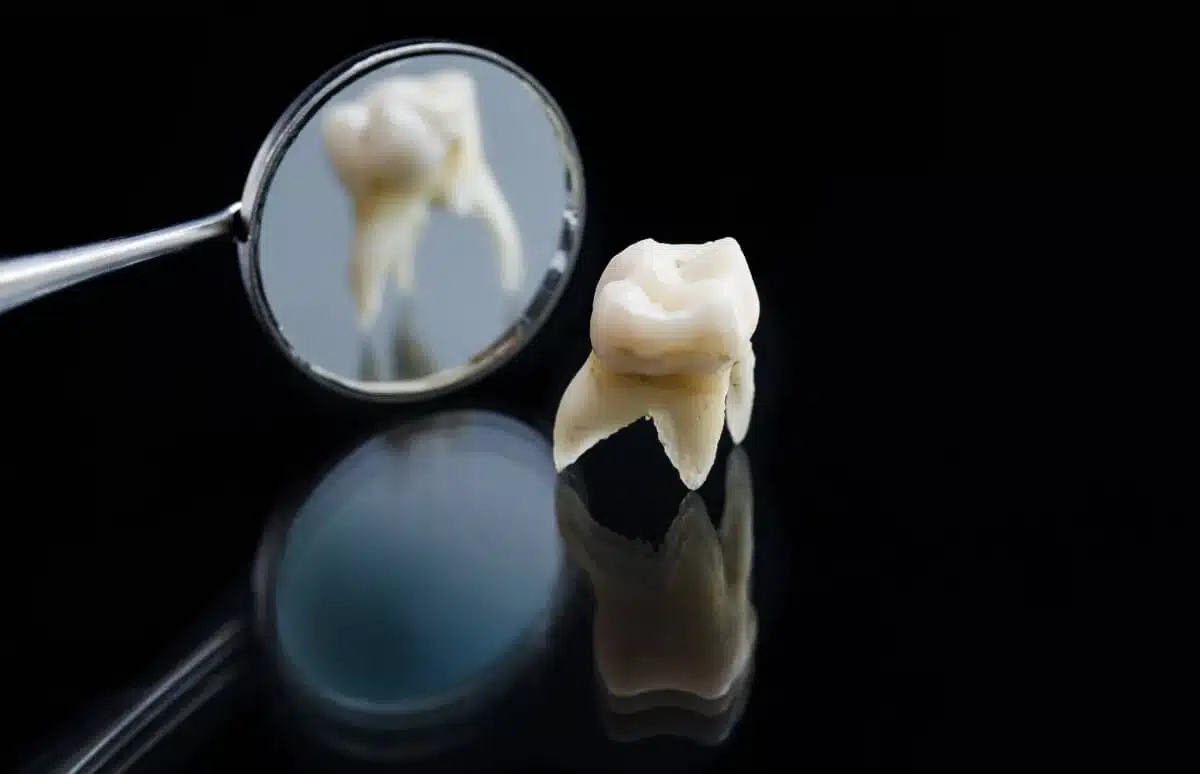


Experiencing discomfort after a tooth extraction can make finding suitable foods challenging. Additionally, your choice of post-extraction meals plays a crucial role in the healing process, influencing recovery time and potential complications. Selecting the wrong foods may extend recovery, leading to infections, bleeding, and other issues. Conversely, consuming the right nutrients can expedite healing, diminish swelling, and provide the necessary energy for recovery.
Post-tooth extraction care is vital for proper healing. Consider the following:
- Refrain from consuming hard or crunchy foods in the initial 24 hours, such as nuts, chips, or popcorn. Opt for softer alternatives like soup, mashed potatoes, and yogurt.
- Avoid using a straw for at least 24 hours to prevent the risk of developing a dry socket, where the blood clot in the extraction site becomes dislodged.
- Steer clear of alcoholic beverages for a minimum of 72 hours, as they can contribute to dehydration and hinder the healing process.
- Brush your teeth gently using a soft-bristled toothbrush, and avoid vigorous rinsing for at least 24 hours.
- Aggressive actions may disrupt the blood clot forming in the extraction site, leading to a dry socket.
- Taking these precautions will contribute to a smoother and swifter recovery after tooth extraction.
Types of Tooth Extractions:
To expedite your recovery after a tooth extraction, it is crucial to comprehend the different types of extraction procedures and adhere to post-extraction guidelines. There are four primary types of tooth extractions: simple, surgical, impacted, and due to decay.
A simple extraction is employed for a visible tooth, extracted with forceps. Conversely, a surgical extraction is necessary for a non-visible tooth, often requiring the removal of gum tissue or bone.
An impacted tooth has not emerged through the gum line, necessitating the removal of gum tissue or bone. Lastly, a decayed tooth with extensive decay beyond salvage requires extraction when conventional dental treatments are ineffective.
Post-extraction, certain foods, and drinks should be avoided to prevent complications:
Alcohol: Consumption heightens the risk of bleeding and swelling.
Hot drinks: Can cause pain and bleeding within the initial 24 hours.
Spicy food: May irritate the extraction site; best avoided for a day or two.
Hard food: Can dislodge the blood clot, causing dry socket; refrain until the area heals.
To facilitate a swift recovery, adhere to these tips:
Avoid hot beverages and straws for the first 24 hours to prevent blood clot dislodgment.
Abstain from hard, crunchy, or chewy foods for at least a week, minimizing infection risks.
Gently rinse your mouth with warm salt water multiple times daily to maintain cleanliness.
Take prescribed pain medication to manage discomfort during the healing process.
Apply an ice pack to the face for 20 minutes to mitigate swelling and pain around the extraction site.
By following these guidelines, you can ensure a smoother and quicker recovery post-tooth extraction. Always consult your dentist for any queries regarding safe post-extraction consumption. Prioritizing oral health is crucial, so take the necessary steps to safeguard your teeth and facilitate a robust recovery!
FAQs:
Is it safe to consume crunchy food following tooth extraction?
No, it is advisable to steer clear of crunchy and chewy foods post-tooth extraction. Opt for softer alternatives such as yogurt, applesauce, mashed potatoes, and soup.
Can I indulge in alcohol after tooth extraction?
No, it is recommended to refrain from consuming alcohol for at least 24 hours post-tooth extraction. Alcohol may impede the healing process and potentially lead to increased bleeding.
Is it okay to brush my teeth immediately after tooth extraction?
No, it is best to wait at least 24 hours before brushing your teeth subsequent to tooth extraction. Allowing this recovery period enables your gums to heal and reduces the risk of infection.