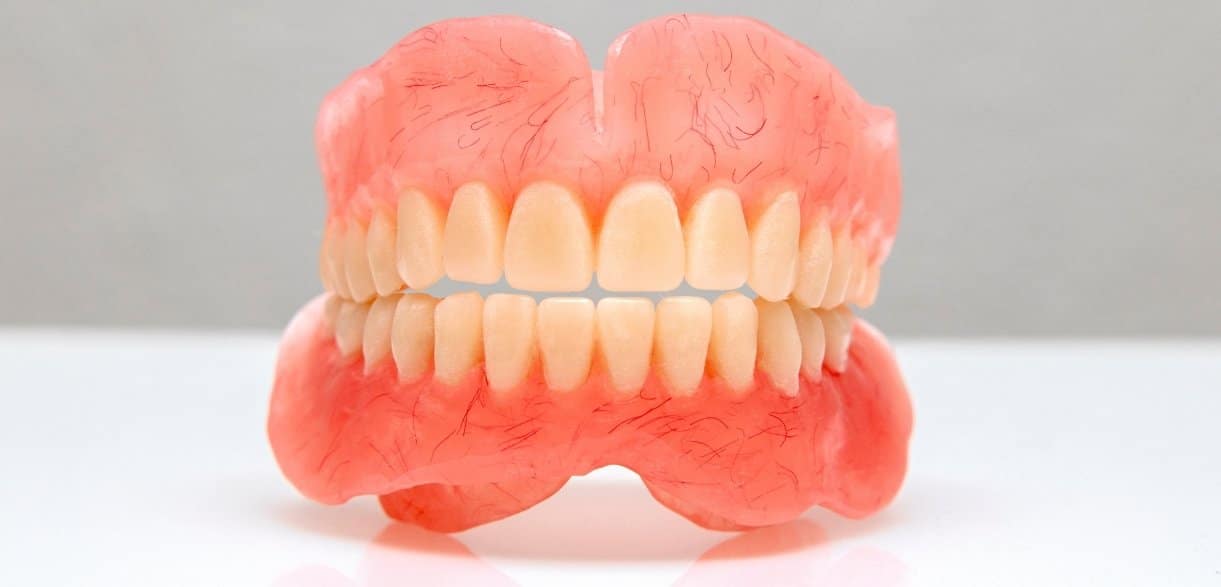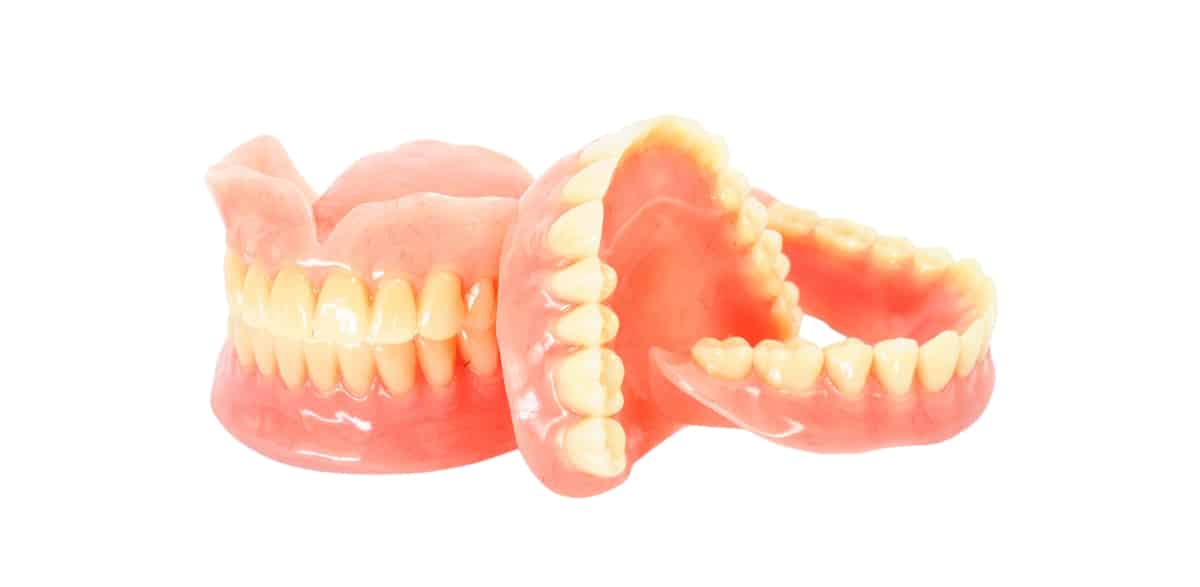

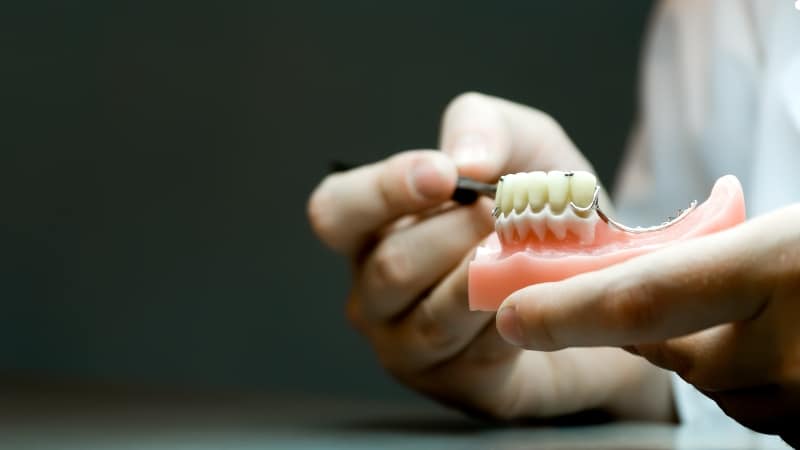
Dentures is the best alternative solution for missing teeth. However, just like your natural teeth, they require proper care to remain functional and comfortable. A common issue for denture wearers is the need for relining, which can cause discomfort or even embarrassing moments. But don’t worry we are here to help! We’ve created an essential guide to address top denture reline problems, so you can enjoy your life with confidence and ease.
If you’ve ever worn dentures, you know they can sometimes be a source of discomfort, rubbing against your gums and causing sore spots. This is where denture relining can make a significant difference.
Denture relining is the process of adding a new, softer lining to the inside of your dentures. This helps them fit better against your gums, providing a more secure and comfortable fit. It’s a great solution for anyone who finds their dentures loose or uncomfortable, making sure they stay in place and feel good all day long.
Problem 1: Poor Fit
Struggling with dentures that don’t fit well can be incredibly frustrating. Loose dentures can slip and slide, making it hard to eat or speak, and sometimes they even cause pain. This poor fit can happen if your mouth has changed shape over time or if the dentures have worn down.
Solutions:
- Relining: This involves adding new material to the inside of your dentures for a better fit. Keep in mind, that relining is a temporary fix and may need to be repeated as your mouth changes.
- New Dentures: If your dentures are old or just don’t fit well anymore, getting new ones might be the best option. Though more expensive, it provides a long-term solution.
Always consult with a qualified dentist to find the best solution for your specific needs.
Problem 2: Uncomfortable Pressure Points or Irritation
If your dentures are causing painful pressure points or irritation, they likely need to be relined. Poorly fitting dentures can rub against your gums and cause discomfort. If you notice any pain, make an appointment with your dentist to get your dentures checked and adjusted.
Problem 3: Difficulty with Chewing and Eating
Having trouble chewing or eating with your dentures? This could be due to:
- Improper Fit: Often fixed with a reline.
- Gum Disease: This might have developed since you got your dentures and can be treated by a periodontist.
- Getting Used to Dentures: It takes time. Start with soft foods and cut them into small pieces to make eating easier.
Problem 4: Gagging Sensitivity
A strong gag reflex can make wearing dentures difficult. Here’s how to manage it:
- Use a numbing cream before inserting your dentures.
- Try different brands or types of denture adhesive.
- Change your insertion method—hold the dentures in place for a few seconds before biting down.
- Talk to your dentist about alternatives like implants or mini-implants for more stability.
Problem 5: Bad Taste
A persistent bad taste can result from improper denture relines, allowing food and bacteria to get trapped. To fix this:
- Soak your dentures overnight in a cleaning solution.
- Use a soft toothbrush to clean affected areas gently.
- If the problem persists, consult your dentist for a reline redo.
Problem 6: Speech Difficulties
Speech issues with dentures are common and can be caused by fit, material type, or mouth anatomy. Here’s how to improve:
- Ensure your dentures fit well. Loose dentures can cause mumbling or slurred speech.
- Practice reading aloud to get used to wearing your dentures.
- Use dental adhesive to secure your dentures, following the manufacturer’s instructions.
With patience and practice, you can overcome speech difficulties. If problems persist, consult your dentist.
Problem 7: Jawbone Deterioration and Loss of Support
Jawbone deterioration can cause loose dentures, making chewing difficult and causing clicking or popping sounds when you talk. It can also lead to sagging facial muscles, giving an older appearance.
Prevention:
- Clean your dentures daily.
- Avoid chewing hard foods.
- Visit your dentist regularly for checkups and cleanings.
- If you notice changes in fit, contact your dentist for adjustments.
Solutions to Common Denture Reline Problems
If you wear dentures, you might eventually face reline problems. Here are the solutions:
- Adhesive Issues: Try different brands or types, and consider increasing the amount or frequency of application.
- Thick Denture Base: Professional relining or replacement might be necessary.
- Loose Teeth: Causes range from bite changes to bone loss. Dental implants or new dentures can often resolve this.
- Poor Fit: Professional relining or new dentures can improve comfort and functionality.
Ultimately, denture relines can effectively renew your dentures, but they come with challenges. By being aware of common issues, you can better manage or prevent them. We hope this guide helps you make informed decisions about your denture care and treatment plans. Regular consultations with your dentist, proper denture care, and being proactive about any discomfort can significantly enhance your denture experience.