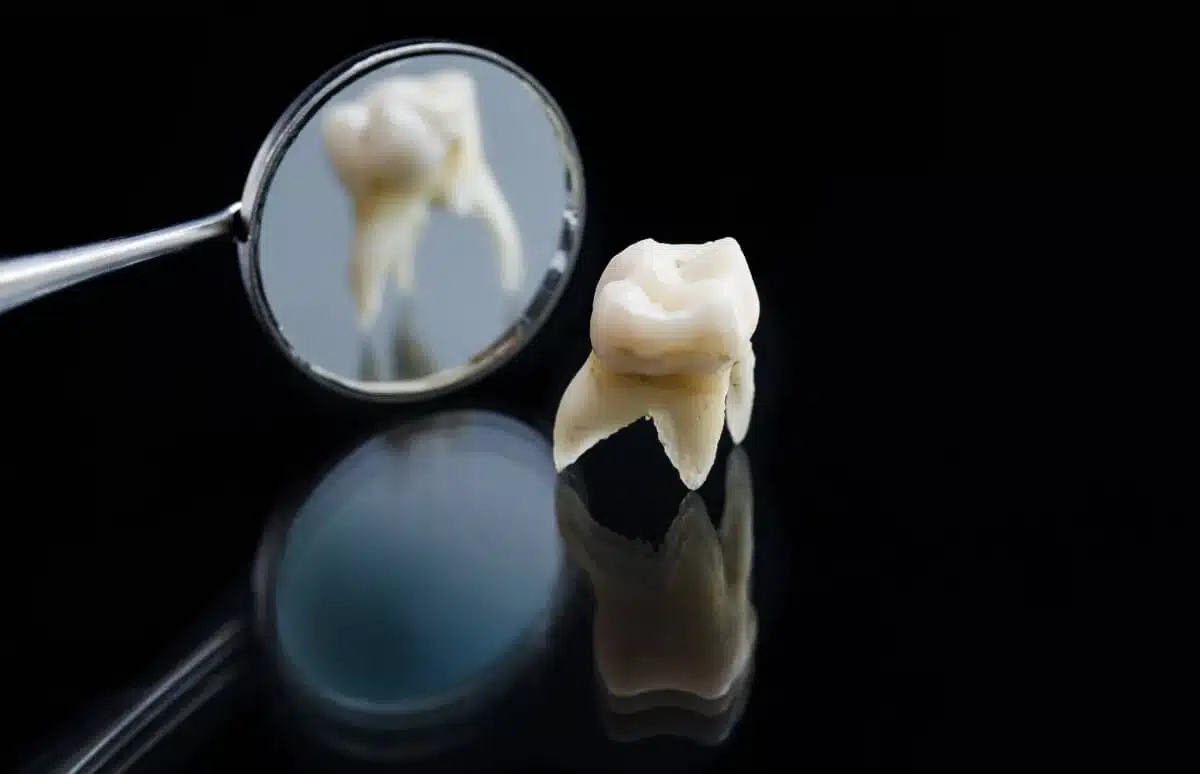


Just had a tooth extracted? You’re taking good care of your oral health! Now comes the healing phase, and while you might be craving that refreshing soda, it’s best to hold off for a while. An introspective exploration into the depths of dental care and the seemingly innocuous act of consuming soda post-tooth extraction, reveals a treacherous and perilous landscape.
Is drinking soda after tooth extraction safe? -This question lingers in the air like a foreboding storm, threatening the delicate nerve endings and vulnerable gums.
The acidic nature of soda, coupled with its high sugar content, presents a formidable challenge to the healing process, capable of inducing pain and inflammation that rival even the most harrowing of nightmares. One must tread cautiously in this realm, heeding the warnings of dentists and health professionals alike, lest they succumb to the siren song of carbonation and find themselves cast adrift in a sea of regret and discomfort.
Drinking soda after tooth extraction is dancing upon the precipice of danger, tempting fate with every sip taken – one must choose wisely, for the consequences may be dire indeed. Here’s why soda isn’t your friend after tooth extraction and what you can do to quench your thirst safely.
Why Soda is a Risk After Tooth Extraction?
Tooth extraction, especially wisdom teeth removal, involves a delicate process where a blood clot forms at the extraction site. This clot is crucial for healing and preventing infection. Unfortunately, soda poses several threats to this vital clot:
- Carbonation: The fizz in soda creates pressure in your mouth, which can dislodge the blood clot. This can lead to a painful condition called dry socket, where the bone beneath the extraction site is exposed.
- Sugar: Soda is loaded with sugar, which feeds the bad bacteria in your mouth. This can increase your risk of developing an infection at the extraction site.
- Acidity: The acidity in soda can irritate the sensitive gums around the extraction site, causing discomfort and hindering the healing process.
Symptoms of Dry Socket:
- Throbbing pain in the extraction site
- Bad breath
- Visible white bone in the extraction site
- An unpleasant metallic taste in your mouth
If you experience any of these symptoms after a tooth extraction, consult your dentist immediately.
Safe Alternatives to Soda After Tooth Extraction
Let’s face it, plain water might not be the most exciting drink, especially when you’re craving something refreshing. Here are some safe and healthy alternatives to quench your thirst and support healing after tooth extraction:
- Cool Water: Plain, cool water is the best choice for hydration. It helps keep your mouth clean, promotes healing, and doesn’t irritate the extraction site.
- Unsweetened Tea: Opt for lukewarm, unsweetened green tea or chamomile tea. These teas have soothing properties and may help reduce inflammation.
- Electrolyte Drinks: If you’re feeling dehydrated, consider diluted, sugar-free electrolyte drinks. These can help replenish lost electrolytes after surgery.
- Homemade Smoothies: Blend fruits like berries or bananas with yogurt or coconut milk for a delicious and nutritious smoothie. Choose fruits like berries that are rich in antioxidants to aid healing. However, be sure to avoid using straws, as the suction can dislodge the blood clot.
- Coconut Water: This natural source of electrolytes is a refreshing and hydrating option. Unlike soda after tooth extraction, which can be detrimental to the healing process due to its acidity and carbonation, coconut water provides gentle hydration without irritating the extraction site.
Additional Tips for Optimal Healing:
- Follow your dentist’s instructions: Your dentist will provide specific instructions regarding post-extraction care. Be sure to follow these diligently for a smooth recovery.
- Maintain a soft food diet: Stick to soft, cool foods for the first few days after extraction. This will minimise pressure on the extraction site and aid healing.
- Avoid using straws: The suction created by using a straw can dislodge the blood clot. Stick to sipping directly from a cup or glass for the first few days after surgery.
- Gently rinse your mouth: After 24 hours, gently rinse your mouth with lukewarm salt water (a teaspoon of salt dissolved in a glass of warm water) several times a day. This helps remove food debris and promotes healing.
- Relaxation: Allow your body ample time to heal. Avoid strenuous activity for the first few days after extraction.
In the end, it’s clear that while a cold soda after tooth extraction might sound tempting, it’s best to resist the urge. This fizzy beverage poses a significant threat to the healing of blood clots and can lead to complications like dry sockets. Opt for safe and healthy alternatives like cool water, unsweetened tea, or homemade smoothies to keep yourself hydrated and promote optimal healing.
Schedule Your Consultation Now!
Worried about a tooth extraction? Don’t be! Get ready to discuss your options and get back to enjoying your favourite foods and drinks. Schedule your consultation today and find all the answers to your questions on the extraction process, from pre-operative care to recovery tips. Work on a smile you can be proud of!