
Bruised gums can be a discomforting and sometimes alarming experience. Whether you’ve noticed a subtle discoloration or significant swelling, understanding the causes and knowing how to treat bruised gums is crucial for maintaining oral health and overall well-being. In this comprehensive guide, we’ll delve into the various reasons why your gums might appear bruised, explore common symptoms, and provide practical strategies for effective treatment. From everyday habits to underlying medical conditions, we’ll cover it all to ensure you have the knowledge needed to address bruised gums with confidence.
What Do Bruised Gums Look Like?
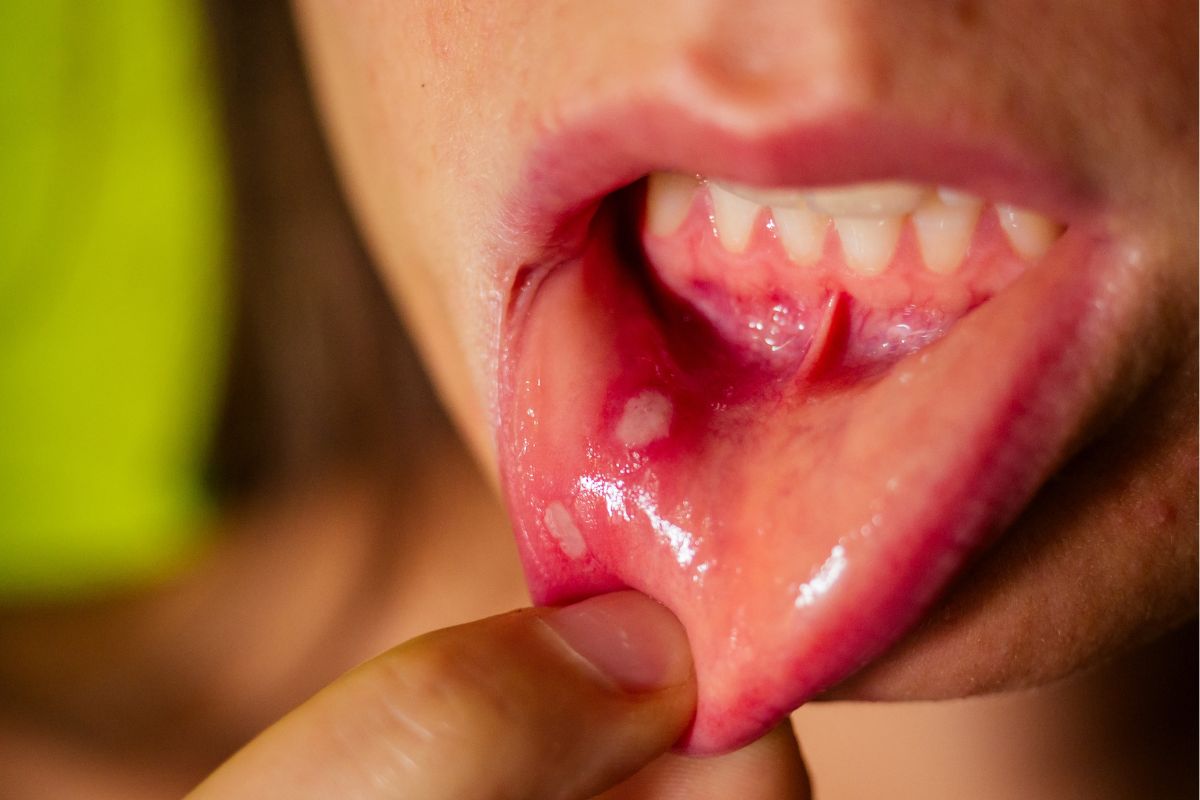
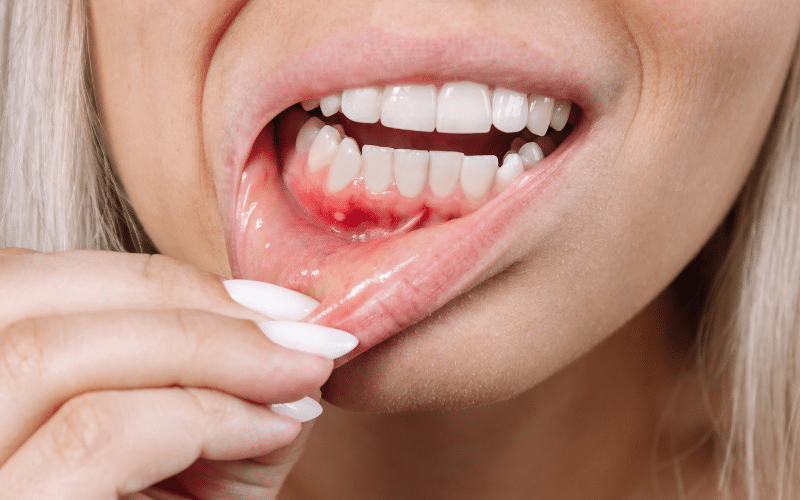
Bruised gums typically manifest as areas of discoloration, ranging from dark purple to reddish hues. You may also notice swelling, tenderness, or even bleeding when brushing or flossing. In severe cases, bruised gums can cause discomfort while chewing or speaking.
Causes of Bruised Gums:
Flossing: Improper flossing techniques can lead to gum irritation and bruising. Vigorous flossing or using sharp flossing tools can cause trauma to the delicate gum tissue.
Accidents: Trauma from accidents, such as a fall or impact to the face, can result in bruised gums. The force of the injury may cause blood vessels within the gums to rupture, leading to discoloration and swelling.
Eating something sharp: Consuming sharp or hard foods, especially without caution, can injure the gums and lead to bruising. Items like chips, crusty bread, or even bone fragments can cause trauma when bitten or chewed.
Teething: In infants and young children, the process of teething can cause gum irritation and bruising. The pressure exerted by emerging teeth against the gums can result in discomfort and visible discoloration.
Trauma or injury to the mouth: Any trauma or injury to the mouth, whether from sports-related incidents or accidental falls, can cause bruising of the gums. Impact on the mouth area can damage blood vessels and soft tissue, leading to bruising and swelling.
Thrombocytopenia: Thrombocytopenia, a condition characterized by a low platelet count, can increase the likelihood of bruising throughout the body, including the gums. Platelets play a crucial role in blood clotting, so a deficiency can result in easy bruising and prolonged healing times.
Treatment for Bruised Gums:
Practice gentle oral hygiene: Opt for a soft-bristled toothbrush and gentle flossing techniques to avoid further irritation to bruised gums.
Use a cold compress: Applying a cold compress to the affected area can help reduce swelling and alleviate discomfort. Wrap ice or a cold pack in a cloth and apply it to the outside of the mouth for 10-15 minutes at a time.
Rinse with saltwater: A saltwater rinse can help soothe bruised gums and promote healing. Mix a teaspoon of salt in a glass of warm water and swish the solution around your mouth for 30 seconds before spitting it out.
Over-the-counter pain relievers: Non-prescription pain relievers like ibuprofen or acetaminophen can help manage pain associated with bruised gums. Follow the dosage instructions provided on the packaging.
Avoid irritating foods: Steer clear of sharp or hard foods that may further aggravate bruised gums. Opt for softer options like soups, smoothies, and mashed vegetables until your gums have healed.
Maintain regular dental visits: Schedule regular check-ups with your dentist to monitor the health of your gums and address any concerns promptly. Your trusted dentist can provide personalized recommendations for maintaining optimal oral hygiene and preventing future gum injuries.
What Does It Mean When Your Gums Look Bruised?
Wondering why your gums appear bruised? Bruised gums may exhibit various colors like purple, dark brown, red, or black, akin to bruises elsewhere on your body. They might be tender or simply discolored. The good news is that most gum bruises will fade naturally, just like other bruises.
However, it’s crucial to understand the cause. If a bruise appears inexplicably, seek advice from your dentist promptly. Even if you’re aware of the cause, it’s wise to contact American Dental Centre Miami Gardens, if the bruise doesn’t heal or causes significant discomfort. Our team can assess your bruised gums and discuss strategies to improve your dental well-being.
Should you notice any changes in your gums, book an appointment with Dental Practice, Florida’s trusted family dental practice.